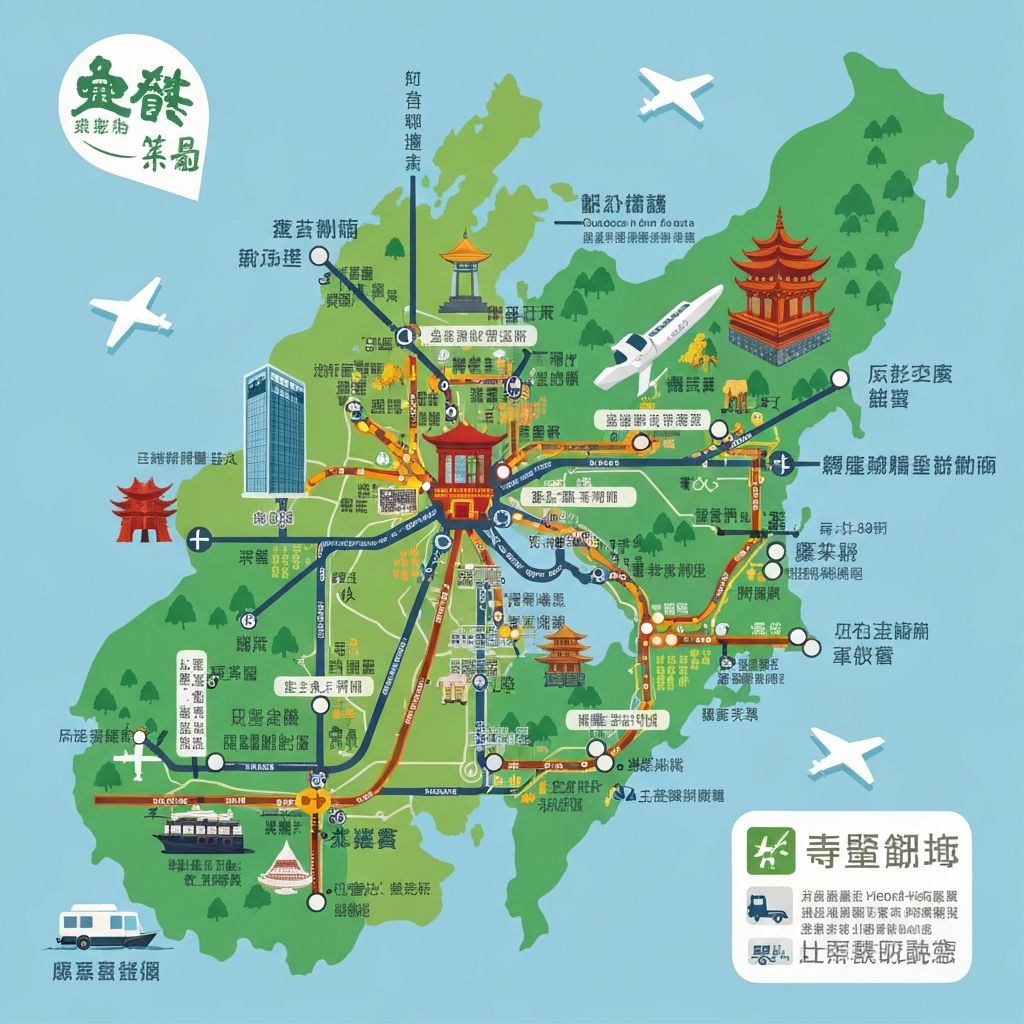
Sustainable & Eco-Friendly Travel Tips: Guangzhou Airport & City Guide

# Sustainable & Eco-Friendly Travel Tips: Guangzhou Airport & City Guide
Sustainable travel is increasingly important as environmental awareness grows globally. Traveling through Guangzhou Baiyun Airport and exploring the city provides opportunities to minimize environmental impact while experiencing authentic local culture. This guide covers eco-conscious choices from airport to city.
Sustainable Transportation
To and From the Airport
**Most Eco-Friendly: Public Transportation**
**Metro Line 3:** - Zero emissions (electric) - Capacity: Reduces individual car trips - Cost: ¥5 - Speed: Competitive with taxis - Carbon Footprint: 90% less than taxi
**Airport Express Bus:** - Shared transportation (48-seat capacity) - Efficient fuel consumption - Cost: ¥25 - Coverage: Major hotel zones - Carbon Savings: Significant vs individual transport
**Least Eco-Friendly: Private Taxi/Ride-Share**
- Individual vehicle
- Single/few passengers
- Higher fuel consumption
- Better: Share ride-share with others
- Carbon Impact: 10x higher than metro
**Best Practice:** - Prioritize metro when possible - Share ride-share rides with others - Avoid single-occupant vehicles - Plan routes to minimize travel
Getting Around Guangzhou
**Sustainable Options:**
**Walking:** - Zero emissions - Improves fitness - Supports local economy - Best: Downtown and near attractions
**Cycling (Bike-Share):** - ¥1-2 per hour - Available throughout city - Networks expanding rapidly - Great: 1-3km distances
**Public Transit:** - Metro system (electric) - Bus network - Tram systems in some areas - Cost: ¥2-5 per journey - Efficiency: 50 people per vehicle average
Green Accommodations
Eco-Certified Hotels
**Green Hotel Certifications to Look For:** - ISO 14001 (environmental management) - Green Key Eco Rating (international standard) - LEED certification (energy efficiency)
**Leading Green Hotels in Guangzhou:**
**Renaissance Guangzhou (4-star)** - Energy-efficient systems - Water conservation programs - Sustainable materials - Local sourcing where possible - Price: ¥500-800/night
**Guangzhou Intercontinental (5-star)** - LEED certified building - Renewable energy - Comprehensive recycling - Green purchasing policies - Price: ¥800-1,200/night
Eco-Friendly Practices at Hotels
**Ask For:** - Reuse towels/linens - No daily room cleaning (if comfortable) - Plastic-free toiletries - Local and organic breakfast options - Sustainable packaging
Sustainable Dining
Local & Seasonal Foods
**Benefits:** - Lower carbon footprint (less transport) - Supports local farmers - Fresher produce - Authentic flavors - Lower prices
Vegetarian & Plant-Based Options
**Guangzhou Restaurants:** - Buddhist vegetarian restaurants (authentic) - Modern vegan concepts (trendy areas) - Traditional options: Clear broths, steamed vegetables - Dim sum: Vegetable options readily available
**Carbon Savings:** - Vegetarian meal: 90% less carbon than beef - Plant-based diet: Sustainable choice - Local produce: Minimal transport emissions
Plastic-Free Dining
**Eco-Practices:** - Bring reusable water bottle (fill at restaurants) - Use chopsticks provided (no disposables) - Decline plastic bags - Choose restaurants with minimal packaging
Shopping & Consumption
Responsible Shopping
**Principles:** - Buy less, choose quality - Support local artisans - Fair trade products - Ethical labor practices
What to Buy (Sustainable)
**Quality Over Quantity:** - Traditional ceramics (support craftspeople) - Silk products (natural fibers) - Local tea (supports regional economy) - Handcrafted items (non-industrial)
What to Avoid
- Mass-produced knockoffs
- Items with excessive packaging
- Single-use plastics
- Products from endangered species
- Unethical labor situations
Environmental Conservation
Water Conservation
**At Hotels:** - 5-minute showers - Reuse towels (especially bath towels) - Fill sinks vs running water - Shorter toilet flushes
**In City:** - Consider water scarcity during rainy season - Use bottled water (reduce plastic by refilling) - Support water conservation efforts
Energy Conservation
**At Accommodations:** - Use natural light when possible - Air conditioning: 26°C (79°F) reasonable - Turn off electronics when leaving room - Unplug chargers when not in use
**General:** - Walk/cycle when possible - Use public transportation - Minimize hotel changes (stay 2-3 nights)
Waste Reduction
**Best Practices:** - Avoid single-use plastics - Refuse plastic straws and bags - Recycle where programs exist - Carry reusable water bottle - Use cloth shopping bags
Cultural Respect & Responsible Tourism
Temple & Sacred Site Visits
**Respectful Behavior:** - Dress conservatively (shoulders, knees covered) - Remove shoes when indicated - Don't photograph people without permission - Support temple maintenance (donations appreciated) - Learn cultural significance beforehand
Community Impact
**Positive Contributions:** - Eat at local restaurants (support businesses) - Buy from local vendors (fair prices) - Use local guides (benefits community) - Learn Mandarin phrases (shows respect)
**Avoid:** - Street vendor items from endangered species - Unethical photo opportunities - Disrespectful behavior in public - Excessive haggling (fair prices appreciated)
Wildlife & Nature Conservation
Natural Area Visits
**Responsible Practices:** - Stay on marked trails - Take only pictures, leave only footprints - Don't feed animals - Respect wildlife boundaries - Support conservation organizations
Marine Conservation
**If Visiting Coastal Areas:** - Don't take shells or coral - Use reef-safe sunscreen only - Support marine protected areas - Avoid unsustainable seafood
Carbon Offsetting
Understanding Carbon Footprint
**Your Flight:** - International flight: 2-5 tons CO2 per person - From airport transport: 50-200kg CO2 - Hotel stay: 20-50kg CO2 daily - Total trip: 2.5-6 tons CO2 estimated
Offsetting Options
**Before Travel:** - Carbon offset programs (calculate and offset) - Organizations: Carbon Footprint, Offset.earth - Cost: ¥100-500 typical for flight offset - Supports renewable energy/reforestation projects
**During Travel:** - Public transportation reduces ongoing emissions - Green hotel choices offset partially - Responsible activities minimize impact
Sustainable Activities
Eco-Friendly Attractions
**Xiqiao Mountain National Park:** - Hiking (zero emissions) - Natural scenery conservation - Supports protected forest area - Entry fee: ¥40-50
**Nanhai Water Village:** - Traditional boat tours - Cultural preservation - Local community support - Photography opportunities
**Traditional Ceramic Studios:** - Learn traditional crafts - Support artisans - Minimal environmental impact - Take home unique items
Volunteer Opportunities
**Eco-Tourism Options:** - Beach cleanups (some weekends) - River restoration projects - Wildlife sanctuary support - Language exchange (reduces tourism impact)
Green Technology
Digital Practices
**Reduce Paper:** - Mobile boarding passes - Digital hotel check-in - E-tickets vs printed - Digital payment (Alipay/WeChat)
**Download & Share:** - Maps offline (reduces data, helps navigation) - Digital photos vs printed - Share travel experiences online vs prints - Reduce physical documentation
Budget-Friendly Sustainable Travel
**Eco-Travel Often Saves Money:** - Public transportation: ¥2-5 vs ¥150+ taxi - Local food: ¥15-30 vs chain restaurants - Walking: Free vs transport costs - Community activities: Cheaper than tourist traps - Longer stays: Reduce per-day travel emissions
Sample Eco-Conscious Itinerary
**Day 1:** - Metro from airport (sustainable) - Walk to eco-hotel (zero transport) - Local vegetarian restaurant dinner - Evening cultural walk
**Day 2:** - Bike-share exploration - Buddhist temple visit - Local tea house - Volunteer beach cleanup (optional)
**Day 3:** - Xiqiao Mountain hiking - Natural picnic - Ceramic studio visit - Local restaurant dinner
**Day 4:** - Public transport to regional destination - Eco-friendly accommodation - Community interaction - Return to Guangzhou
Practical Tips for Implementation
1. **Plan transportation ahead** - Public options save time and money 2. **Stay longer** - Multi-night stays reduce transport impact 3. **Ask locals** - Genuine recommendations more sustainable 4. **Eat local** - Fresh, cheap, and supportive 5. **Decline extras** - Say no to plastic, processed foods 6. **Learn language basics** - Shows respect, reduces misunderstandings 7. **Offset carbon** - Personal responsibility matters 8. **Share experiences** - Inspire others to travel sustainably 9. **Support conservation** - Donations to local environmental groups 10. **Be flexible** - Sustainable travel sometimes requires adjustments
Resources
**Carbon Calculators:** - carbonfootprint.com - offset.earth - epa.gov/carbon-footprint-calculator
**Sustainable Hotel Certification:** - ISO 14001 database - Green Key International - EU Ecolabel (European hotels)
**Eco-Tourism Organizations:** - International Ecotourism Society - Global Sustainable Tourism Council - WWF Travel Guides
Conclusion
Sustainable travel through Guangzhou requires intention but yields significant rewards—reduced environmental impact, deeper cultural connections, money savings, and authentic experiences. Every choice—from transportation to dining to activities—contributes to your overall travel sustainability.
By prioritizing eco-conscious decisions, you're not just reducing your environmental footprint; you're supporting local communities, preserving cultural heritage, and demonstrating that responsible travel is possible and rewarding.
Travel sustainably. Leave only positive impacts. Inspire others through example.